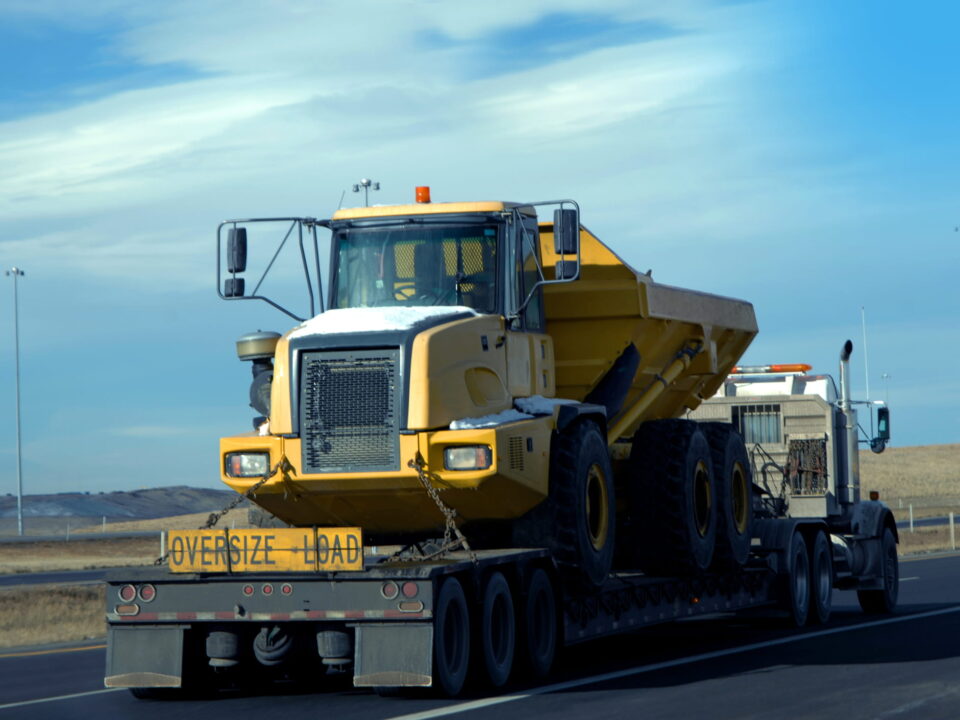


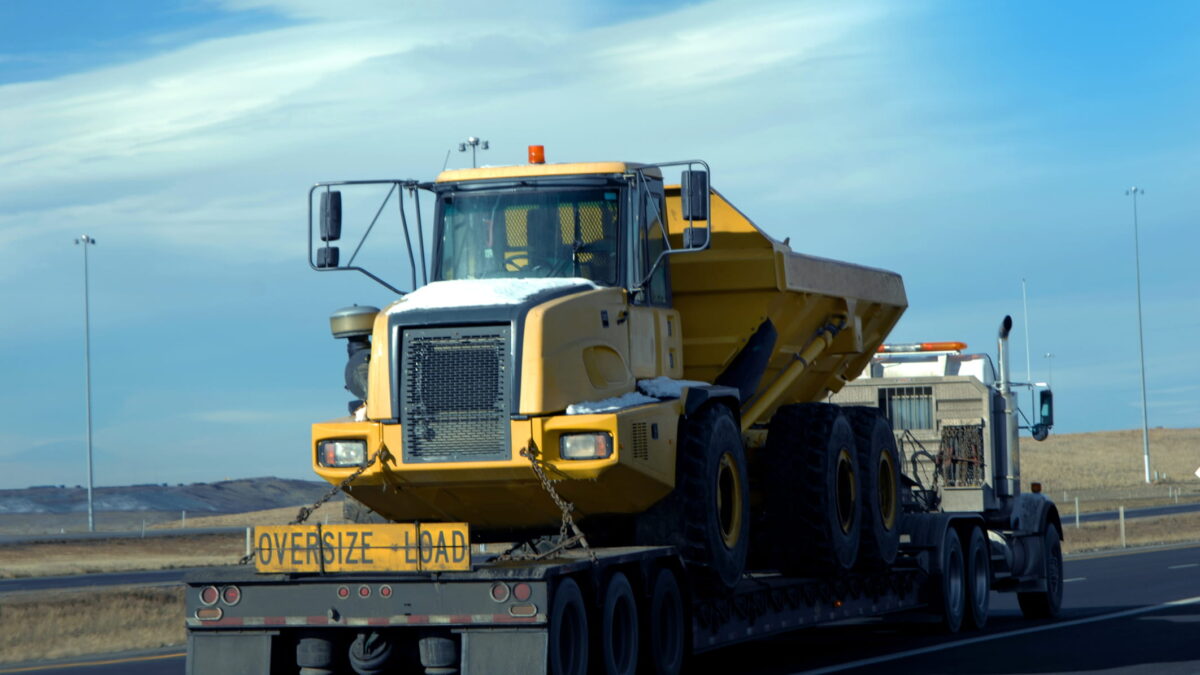
Project managers often view heavy hauling as a test of horsepower and mechanical endurance. They focus on the physical strength of the tractor and the capacity of the trailer to support massive industrial components. However, the most daunting obstacles in nationwide transport do not consist of steep grades or narrow roads. Instead, the greatest challenge lies in the invisible borders between states. For a project moving across the country, a heavy haul carrier must navigate a complex web of conflicting laws, varying axle weights, and restricted travel hours. To ensure project success, stakeholders must shift their focus from merely driving a truck to prioritizing strategic permit management and schedule protection.
The High Cost of Regulatory Inconsistency
Every state operates as its own sovereign entity regarding oversized and overweight loads. A configuration that Oklahoma deems perfectly safe might face a total rejection in Arkansas. One state might allow night travel with a police escort, while the neighboring state strictly forbids movement after sunset. These discrepancies create a logistical friction that grinds projects to a halt. When a carrier lacks a deep understanding of these nuances, the project suffers immediate financial consequences.
A single permit delay at a state line creates a devastating domino effect. If a driver waits forty-eight hours for a revised permit in Missouri, the entire delivery window collapses. Consequently, the massive crane at the destination sits idle at a cost of thousands of dollars per hour. The installation crew remains on the clock with no cargo to unload. By the time the truck finally arrives, the project budget has already bled significant capital. This scenario highlights why strategic permit management offers more value than the lowest freight rate.
Engineering the Paperwork Trail
Reliable heavy haul providers treat a permit application with the same precision as a mechanical engine overhaul. They do not simply “file for papers” and hope for the best. Instead, they engage in a rigorous pre-filing process that analyzes every mile of the route against current state databases. They verify bridge ratings, identify active construction zones, and confirm temporary width restrictions. This level of preparation ensures that the state agency receives an accurate, undeniable application on the first attempt.
Furthermore, these experts maintain direct relationships with state permit offices. They understand the specific documentation requirements for “Superloads” that exceed standard overweight thresholds. When a provider utilizes strategic permit management, they anticipate the questions a state engineer might ask. They provide the necessary axle spacing diagrams and structural analyses upfront. This proactive communication reduces the “back-and-forth” that typically delays permit issuance by days or even weeks.
Managing the Escort and Pilot Car Coordination
The regulatory maze extends beyond the permit itself to the coordination of support vehicles. States require varying levels of escort protection based on the dimensions of the load. Some jurisdictions demand private pilot cars, while others mandate state police escorts for certain bridge crossings. Coordinating these assets across state lines requires a master conductor’s touch. If a police escort misses a rendezvous at the border because of a timing error, the load stops moving entirely.
A carrier focused on strategic permit management synchronizes these moving parts with military precision. They track the load in real-time and maintain constant communication with the pilot car drivers. This ensures that every escort is in place exactly when the truck reaches the jurisdictional boundary. By eliminating these hand-off delays, the carrier protects the integrity of the project schedule and avoids the “waiting time” surcharges that inflate shipping invoices.
The Role of Technology in Schedule Protection
Modern heavy haul logistics relies on sophisticated software to navigate the permit maze. Digital platforms now allow carriers to simulate routes and check them against a live feed of state-level restrictions. This technology identifies potential conflicts before the truck even leaves the yard. For example, if a state suddenly closes a specific highway for emergency repairs, the software flags the conflict immediately.
However, technology only serves as a tool for the human experts behind the screen. The true value of strategic permit management lies in the ability of the logistics team to pivot when conditions change. If a winter storm shuts down a primary corridor in the Midwest, an expert team quickly reroutes the load through an alternative state. They manage the rapid-fire permit amendments required to keep the wheels turning. This agility separates the professional heavy haul partner from a standard trucking company.
Protecting the Project ROI
From a CFO’s perspective, the freight bill represents only a fraction of the total logistics cost. The real expense lives in the uncertainty of the delivery date. A project manager who chooses a carrier based on price alone often pays for it in site delays. In contrast, investing in a partner who excels at strategic permit management buys a high degree of certainty. You are paying for a protected schedule that keeps your entire construction site productive.
When you move high-value infrastructure or industrial equipment, the cargo represents the “critical path” of the entire project. Any friction in the transport process ripples through the organization. Therefore, the selection of a heavy haul carrier must prioritize regulatory expertise over simple equipment availability. You need a partner who understands that the permit office is just as important as the driver’s seat.
Securing the Nationwide Supply Chain
As energy and infrastructure projects grow in scale, the complexity of moving their components will only increase. States continue to update their infrastructure laws and weight limits, making the “maze” more difficult to navigate every year. A commitment to strategic permit management ensures that your company remains ahead of these changes. You avoid the traps that ensnare less experienced carriers and keep your equipment moving across borders without interruption.
Ultimately, heavy haul is an exercise in risk management. You manage the physical risk to the cargo and the regulatory risk to the timeline. By shifting your focus to expert navigation, you secure the foundation of your project’s success. It is time to stop worrying about the truck and start focusing on the strategy that clears the path for it.

Moffitt Caswell Southern Trucking