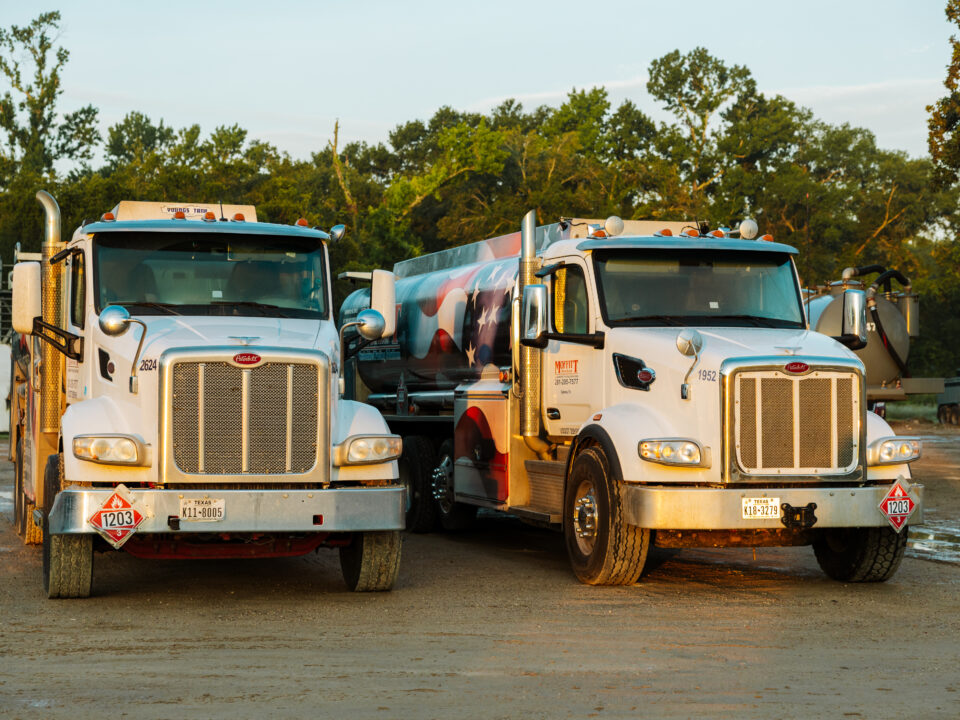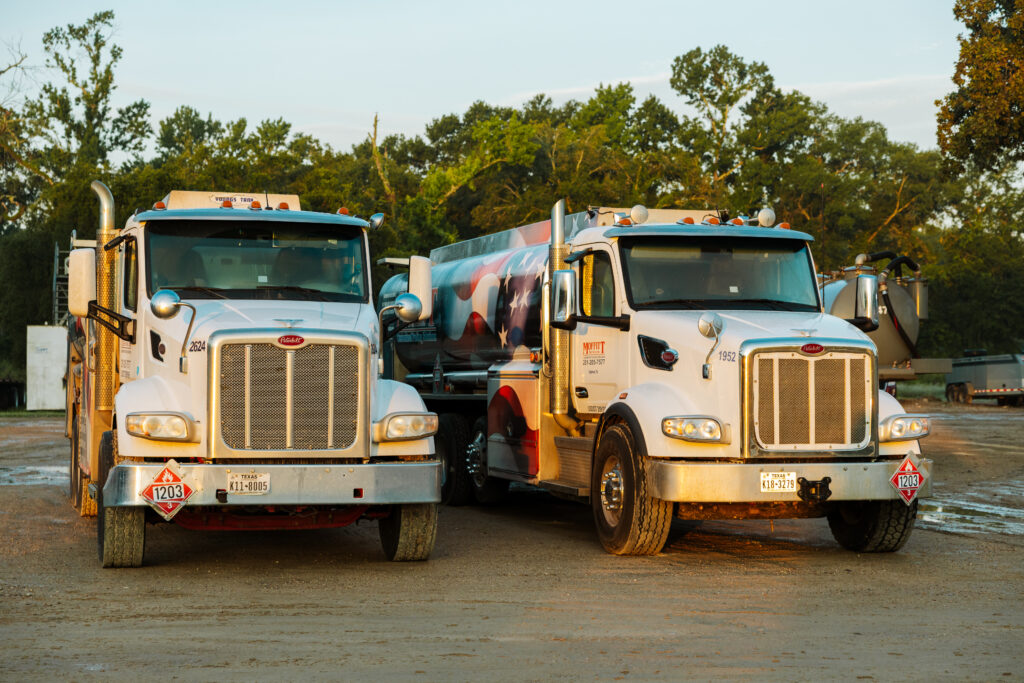


Welcome to the latest edition of Pump Up Your Knowledge: Safety Talks. At Moffitt Caswell, we prioritize the well-being of every driver, technician, and visitor who walks through our doors. While our industry moves millions of gallons of combustible energy, our most frequent dangers often hide in plain sight right beneath our feet. Gravity never takes a holiday. Slips, trips, and falls represent a massive percentage of workplace injuries across the country. Furthermore, these incidents often lead to long recovery times, lost wages, and permanent physical limitations. We must treat floor safety with the same intensity as fuel handling to ensure everyone goes home healthy.
Managing Spills: Traction-Task
Fuel delivery and heavy haul naturally involve slippery substances. Diesel, motor oil, and various lubricants transform a standard concrete floor into a dangerous skating rink in seconds. We must treat every drop of liquid on the floor as a high-priority emergency. Therefore, we empower every employee to stop their current activity the moment they spot a leak. Do not walk past a spill. Instead, grab a spill kit and neutralize the hazard immediately. We refer to this immediate response as our internal Traction-Task protocol.
Housekeeping as a Defensive Shield
A messy workspace invites disaster. Cardboard boxes, loose tools, and tangled air hoses act like snares for unsuspecting feet. Specifically, high-traffic areas like loading docks and warehouses require constant organization and discipline. Every piece of equipment must have a designated home. Moreover, when you finish using a tool or a rag, return it to its proper place right away. Keeping walking paths clear protects not just you, but also guests who might not know the layout of our facility. Vigilance regarding clutter remains our best defense against the unexpected trip. Every time you clear a hallway, you successfully perform a Traction-Task.
Lighting and Visibility
Darkness hides danger. A small puddle or a stray pallet becomes invisible in a poorly lit corridor or a shadowy corner of the garage. Consequently, we invest heavily in high-output LED lighting for all our bays, storage units, and parking lots. If you notice a flickering bulb or a dark patch in the yard, report it to the maintenance team immediately. Additionally, always carry a high-lumen flashlight during night deliveries or while inspecting the undercarriage of a truck. Better visibility ensures you can identify hazards before they cause an accident. Clear visibility makes every Traction-Task much easier to manage.
The Science of Proper Footwear
Your boots serve as your primary line of defense against gravity. Worn-out soles provide zero protection against the slick surfaces common in our loading zones. We require all field staff to wear high-quality, slip-resistant, steel-toed footwear. Similarly, we encourage our office staff to choose sensible shoes with deep rubber treads. Regular inspections of your boot soles can prevent a painful fall on a rainy afternoon. Before you start your morning shift, perform a quick Traction-Task to check your tread for mud, grease, or ice buildup.
Navigating Stairs and Elevations
Gravity intensifies the impact of any fall from a height. We insist that every driver maintains three points of contact when climbing into a truck cab or using a ladder. This simple habit saves lives every single day. However, many people skip this step when they feel rushed or stressed by a tight delivery schedule. Avoid the temptation to carry heavy loads up a flight of stairs with both hands. Always keep one hand free for the handrail. Ultimately, no delivery deadline justifies a trip to the emergency room. A successful Traction-Task includes clearing snow or grease from truck steps before you ever put your foot on them.
The Value of Reporting Near-Misses
We learn the most from the accidents that almost happened. If you stumble but manage to catch yourself, tell your supervisor about the incident. In addition, reporting near-misses helps the entire company identify dangerous patterns before someone sustains a real injury. Perhaps a specific floor mat has a curled edge, or a drain in the wash bay is backing up. Your voice provides the data we need to fix the environment. Every report contributes to a collective Traction-Task that keeps the entire team safe from harm.
Protecting Our Visitors with Traction-Task Protocols
Our safety culture extends to every client, vendor, and guest who visits our site. These individuals often lack the same safety training or protective gear as our veteran technicians. Therefore, we must act as their professional guides. Keep the lobby floor bone-dry during rainy or snowy weather. Specifically, place “Wet Floor” signs the moment you finish mopping a surface. If you see a visitor wandering toward a high-risk area, politely redirect them toward a safe, designated path. Ensuring their safety represents a vital Traction-Task for every member of our staff.
A Shared Responsibility
Safety requires constant, unwavering attention. We do not view safety as a goal we reach once and then forget. Instead, we view it as a standard we must maintain every second of every shift. By keeping our workspaces clean and our eyes focused on the ground ahead, we eliminate the risks that lead to falls. Furthermore, we build a stronger, more efficient company when we look out for one another’s physical well-being. Let’s commit to making this quarter our safest one yet. Every time you move a tripping hazard or dry a wet floor, you complete a vital Traction-Task.