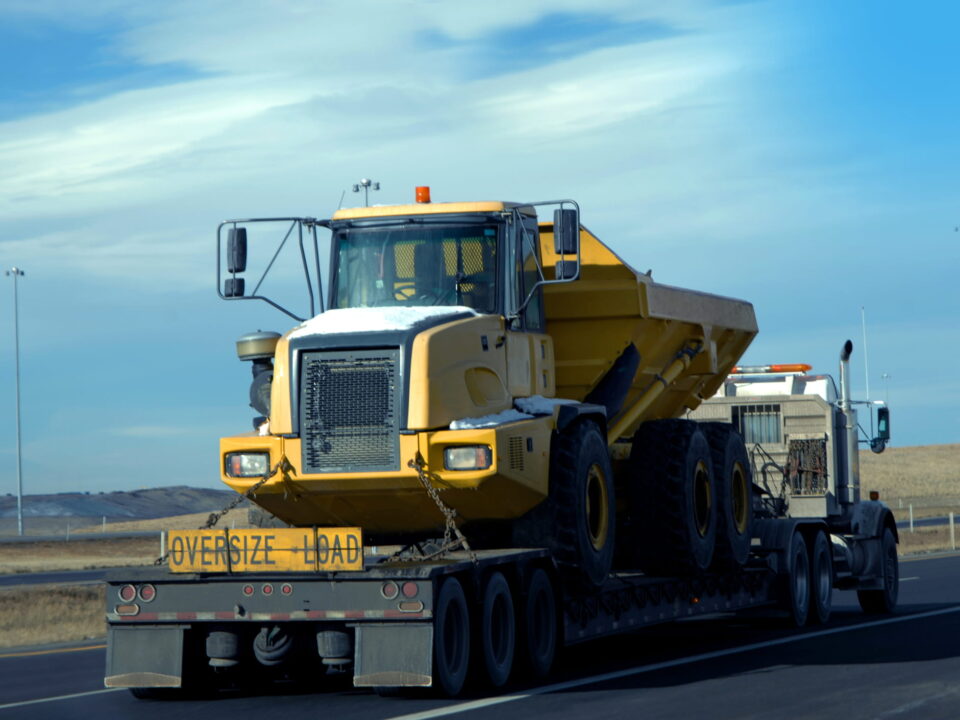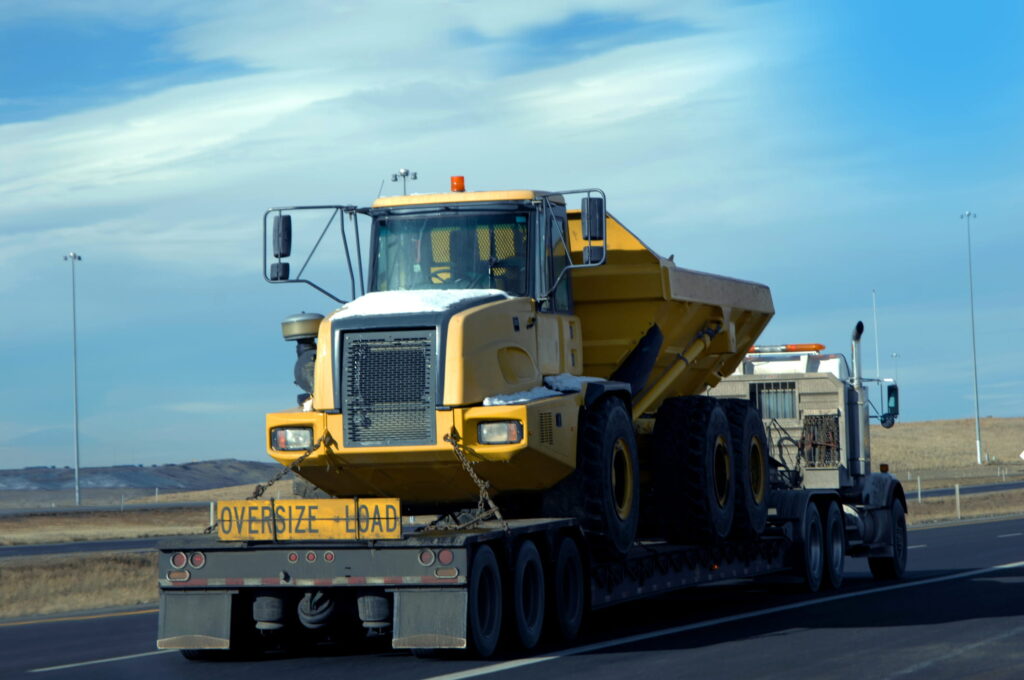



The modern power grid is an absolute marvel of engineering that operates silently in the background of daily life. However, as cities expand and old infrastructure ages, the demand for power grid modernization reaches unprecedented levels. Bringing new power systems online requires moving massive, highly sensitive components across vast distances. For this reason, specialized transportation logistics become the backbone of grid modernization. Without careful planning, moving these multi-ton assets would be completely impossible. Navigating this landscape requires high-level expertise in oversized infrastructure hauling.
This operational breakdown explores the complex engineering, routing, and safety protocols required to transport the critical components that keep the lights on across the continent.
The Mechanical Giants: Transformers and Turbines
To understand the scale of grid logistics, one must first look at the sheer mass of the cargo. Power transformers, which adjust voltage levels between generation plants and homes, frequently weigh between 200,000 and 800,000 pounds. Consequently, they cannot simply be loaded onto a standard flatbed trailer and driven down the highway. Gas and steam turbines used in power generation are equally massive and contain delicate internal alignment systems.
Because these components are incredibly top-heavy, transport crews must utilize multi-axle configurations, such as dual-lane loaders or modular trailers. These specialized systems distribute the weight evenly across the roadway to prevent asphalt damage. Furthermore, internal impact sensors are often attached to the cargo before departure. Therefore, transport teams can monitor minute vibrations in real-time, ensuring that delicate internal components remain undamaged during transit.
Routing Challenges in Oversized Infrastructure Hauling
The logistics journey begins months before a truck ever turns its engine on. Unlike standard freight, which relies on GPS routing, heavy transport requires meticulous physical route surveys. Every bridge, overpass, utility line, and turning radius along the path must be measured down to the exact inch. In this context, a single low-hanging tree branch or a historic bridge with weight restrictions can completely compromise a route.
When executing oversized infrastructure hauling, logistics coordinators must secure specialized permits from every county, municipality, and state line the load crosses. Additionally, transport teams must coordinate extensively with local utility companies. When a load exceeds standard height limits, utility workers must drive ahead of the truck to temporarily lift overhead power lines and communication cables. Ultimately, these carefully coordinated movements ensure the safety of both the cargo and the public infrastructure.
Safety and Coordination in Oversized Infrastructure Hauling
Moving a million pounds down a public highway requires an entire ecosystem of support personnel. A typical transport configuration includes front and rear pilot cars, civilian law enforcement escorts, and a dedicated team of spotters. Meanwhile, the truck driver must maintain constant communication with the entire convoy to navigate tight corners and unexpected road hazards.
As a result of this intense coordination, the average travel speed for these loads is often restricted to between 5 and 25 miles per hour. To prevent major traffic gridlock, these operations are frequently executed during the middle of the night or during specific weekend windows. Moreover, the mechanical configuration of the trailer often requires a secondary operator at the rear. This steerable trailer technician controls the rear axles independently, allowing the massive vehicle to swing around tight intersection corners safely.
Supporting Global Sustainability
The transition toward renewable energy sources adds another layer of complexity to industrial grid logistics. Wind turbine components, including blades that can stretch over 200 feet in length, present unique aerodynamic challenges. Whether navigating steep mountain switchbacks to reach a wind farm or entering a tight substation facility, the margin for error is non-existent.
Rather than treating these moves as standard transport, heavy haul logistics should be viewed as temporary civil engineering projects. Every successfully delivered turbine and transformer represents a direct upgrade to energy reliability. The effort required to move these massive assets highlights the incredible human ingenuity behind the scenes of global infrastructure development.

Moffitt Caswell Southern Trucking